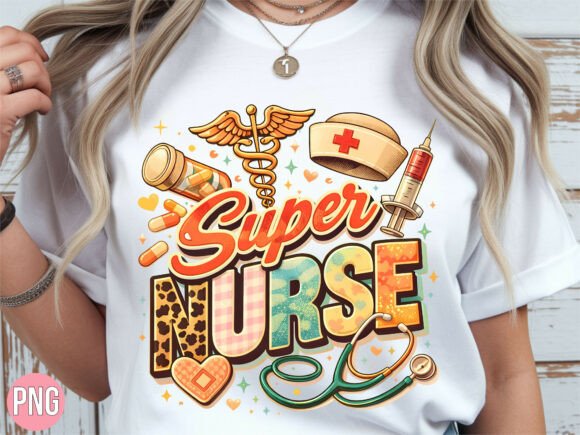
Integrating the Super Nurse Medical Retro Hero PNG into Your Creative Workflow
In the fast-paced world of digital design and print-on-demand entrepreneurship, efficiency is not just a luxury; it is a necessity. Whether you are a seasoned graphic designer, a small business owner launching a new product line, or a hobbyist creating personalized gifts, the assets you choose form the backbone of your production pipeline. The Super Nurse Medical Retro Hero PNG represents more than just a static image; it is a versatile design element that can streamline your creative process when integrated correctly into your workflow. Understanding how to leverage this high-quality digital file requires a shift in perspective from simple downloading to strategic implementation.
This guide explores the practical aspects of using this specific asset, focusing on preparation, compatibility, and application across various mediums. By treating your digital assets as integral components of a broader production system, you can reduce errors, save time, and maintain consistent quality in your final outputs.
Understanding the Asset Specifications
Before incorporating any digital file into a project, it is crucial to understand its technical specifications. The Super Nurse Medical Retro Hero PNG is delivered as a single file within a ZIP folder. This compression method is standard for digital downloads, ensuring faster transfer speeds and organized delivery. However, it introduces a critical first step in your workflow: extraction.
Many users encounter issues not because the file is defective, but because they attempt to use it directly from the compressed archive. Most design software cannot read layers or transparency data accurately from within a ZIP file. Therefore, the immediate action upon receipt should be to unzip and extract the file to a dedicated project folder. This simple organizational habit prevents pathing errors and ensures that your software can access the full resolution data.
The file itself is a PNG with a 300 DPI resolution and a transparent background. These two features are pivotal for professional results. The 300 DPI (dots per inch) metric indicates that the image contains enough pixel density for high-quality physical printing. Lower resolutions, such as 72 DPI, are suitable for screens but often appear pixelated or blurry when printed on physical goods. The transparent background eliminates the need for manual cutouts or masking, allowing you to place the retro hero design seamlessly over any colored fabric, paper, or surface without unsightly white boxes surrounding the artwork.
Pre-Production Compatibility Checks
A common bottleneck in creative workflows is software incompatibility. Before purchasing or beginning a design session, verify that your editing or design software supports PNG files with transparency. While most modern applications like Adobe Photoshop, Illustrator, Canva, Procreate, and Affinity Designer handle PNGs effortlessly, some older or specialized vector-only programs may require conversion or import adjustments.
If you are working in a vector-based environment, remember that a PNG is a raster image. It cannot be infinitely scaled without loss of quality, although at 300 DPI, it offers significant flexibility for standard print sizes. If your workflow involves scaling the image to massive dimensions, such as large-format banners, you may need to assess the original pixel dimensions provided in the file information. For typical print-on-demand items like t-shirts, mugs, and stickers, the provided resolution is generally sufficient.
Establishing a checklist for file compatibility can save hours of troubleshooting. Ensure your color profile settings align with your output method. For digital screens, RGB is standard, but for printing, you may need to consider how the colors translate to CMYK. While the PNG format does not support CMYK natively, understanding how your printer handles color conversion from RGB source files is part of effective quality control.
Strategic Applications in Print on Demand
The versatility of the Super Nurse Medical Retro Hero PNG makes it an ideal candidate for diverse print-on-demand (POD) projects. Its retro aesthetic appeals to a broad demographic, particularly healthcare professionals who take pride in their vocation. Integrating this design into your product catalog requires thinking about the end-user experience and the physical constraints of each product type.
- Apparel: When applying the design to t-shirts or hoodies, ensure the placement allows for the transparent background to blend with the fabric color. Dark garments may require a white underbase in DTG (Direct-to-Garment) printing, which your POD provider usually handles automatically if the PNG transparency is preserved.
- Hard Goods: For mugs, tumblers, and phone cases, the rigid surface provides a stable canvas. The high resolution ensures that fine details in the retro hero illustration remain crisp, even on curved surfaces where distortion can sometimes occur.
- Paper Products: Greeting cards, scrapbooks, and albums benefit from the nostalgic feel of the design. Here, the PNG can be layered with other elements, such as text or decorative borders, to create complex compositions.
- Home Decor: Pillows and wall decor items often serve as statement pieces. The bold lines and vibrant colors typical of retro styles stand out well in living spaces, making this asset suitable for larger print areas.
By mapping the asset to specific product categories, you can create targeted marketing campaigns. For instance, during Nursing Week, highlighting the "Hero" aspect of the design on social media can drive engagement and sales. This strategic alignment of asset and occasion maximizes the return on your design effort.
Workflow Integration and Efficiency
Efficient use of digital assets involves more than just dragging and dropping an image into a canvas. It requires a structured approach to file management and version control. Create a standardized folder structure for your projects. For example, keep raw assets, working files, and final export files in separate directories. This organization makes it easier to locate the Super Nurse Medical Retro Hero PNG when you need to revisit a project months later.
When using the PNG in composite designs, consider non-destructive editing techniques. In software like Photoshop, place the PNG as a smart object. This allows you to resize, rotate, or apply filters without permanently altering the original pixel data. If you need to adjust the color tone to match a specific brand palette, use adjustment layers rather than direct painting. This flexibility is invaluable when clients request revisions or when you want to repurpose the design for different seasonal themes.
Consistency is key in building a recognizable brand. If you plan to use this retro style across multiple products, establish a set of design rules. Decide on standard fonts, color palettes, and layout grids that complement the superhero theme. This ensures that whether a customer buys a mug or a t-shirt, the visual identity remains cohesive. The Super Nurse Medical Retro Hero PNG serves as the anchor for this visual language, providing a consistent focal point across varied merchandise.
Quality Control and Final Output
Before finalizing any design for production, perform a rigorous quality check. Zoom in to 100% view to inspect the edges of the PNG. Look for any jagged pixels or halo effects that might indicate poor extraction or compression artifacts. Since the file is provided at 300 DPI, it should appear sharp at this magnification. If you notice blurriness, verify that you have not scaled the image up beyond its original dimensions.
Additionally, preview your design on mockups that closely resemble the actual product. A design that looks perfect on a white digital canvas may behave differently on a heather grey t-shirt or a glossy ceramic mug. Use high-quality mockup tools to simulate lighting, shadows, and texture. This step helps identify potential visibility issues, such as low contrast between the design and the product color.
Finally, ensure that the final exported file meets the specific requirements of your printing partner. Some platforms prefer PDFs, while others accept high-resolution JPEGs or PNGs. If converting the PNG to another format, maintain the highest possible quality settings to preserve the integrity of the retro details. Proper file preparation minimizes the risk of reprints and customer dissatisfaction, protecting your reputation and bottom line.
By treating the Super Nurse Medical Retro Hero PNG as a strategic component of your design ecosystem, you enhance both your creative output and operational efficiency. From careful extraction and compatibility checks to thoughtful application and quality control, each step contributes to a professional result. Embrace these practices to streamline your workflow and deliver high-quality products that resonate with your audience.